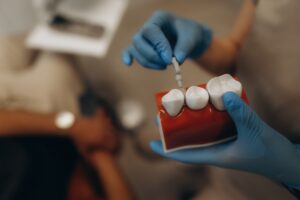
Experiencing bad breath can be unsettling and socially awkward, yet it’s a common issue many face. For residents of Brooklyn, New York, seeking a solution could enhance your confidence and life quality, making consulting with experts like those at Always Beautiful Smile a crucial step. Understanding what causes bad breath and how to treat it is essential for maintaining oral and overall health.
Understanding Bad Breath (Halitosis)
Halitosis, commonly known as bad breath, affects a significant number of individuals at various stages of their lives. While it often results from poor oral hygiene, other hidden causes might surprise many. Understanding these can lead to better treatment and prevention strategies.
Poor Oral Hygiene and Its Role
One of the primary causes of bad breath is inadequate oral care. When brushing and flossing aren’t done regularly, food particles remain in the mouth, leading to bacteria accumulation. Patients notice persistent foul breath despite mints or mouthwashes.
Signs of Poor Oral Hygiene
-
Yellowing teeth or visible plaque
-
Bleeding gums during brushing or flossing
-
A lingering bad taste in the mouth
Dietary Influences
Your diet can significantly impact your breath. Foods rich in sulfur compounds, such as garlic and onions, are notorious for causing bad breath. Sugary snacks also contribute by promoting bacterial growth.
Smoking and Alcohol
Smoking contributes to a distinct and lingering breath odor. Additionally, it reduces saliva production, exacerbating bad breath. Alcohol also decreases saliva and leaves a sour smell post-consumption.
Medical Conditions Linked to Bad Breath
Various underlying medical conditions can cause persistent bad breath. Sinus infections, gastroesophageal reflux disease (GERD), diabetes, and kidney problems are a few conditions that can influence breath quality.
Recognizing Medical Triggers
-
Persistent dry mouth
-
Continuous metallic taste
-
Breath changes following meals
Dental Solutions for Treating Halitosis
Effective dental care, including professional cleanings, can address halitosis significantly. Missing teeth often trap food, inviting bacteria. Dental implants offer a permanent solution, improving not just functionality but also breath quality.
Laser Gum Treatment (LANAP)
Gum disease is a common contributor to bad breath. LANAP, a laser gum treatment offered by Always Beautiful Smile, removes diseased tissue with precision, fostering healthier gums and fresher breath.
Advantages of LANAP
-
Minimally invasive procedures
-
Reduced recovery time
-
Enhanced patient comfort
Home Remedies and Lifestyle Changes
While consulting a dentist is advised, certain home remedies and lifestyle changes can manage halitosis. Regular hydrating, chewing sugarless gum, and using an antibacterial mouthwash can be quite effective.
Simple At-Home Practices
-
Brushing with baking soda
-
Oil pulling for detoxification
-
Consuming fiber-rich foods
When to Consult a Dentist
If bad breath persists despite good oral practices, it’s crucial to consult a specialist. Always Beautiful Smile in Brooklyn, New York, offers expert advice and treatments tailored to individual needs, ensuring a compassionate and effective approach.
FAQ
What makes bad breath worse? Foods, tobacco, poor dental care, and undiagnosed medical conditions are primary exacerbators.
Can mouthwash fix bad breath? Mouthwash can mask odor temporarily but often doesn’t address underlying issues.
Is bad breath a sign of something serious? Sometimes. Persistent halitosis can indicate health issues needing further diagnosis.
How often should I visit a dentist for bad breath? Regular bi-annual checkups are recommended, but more frequent visits may be needed in stubborn cases.
Conclusion and Call to Action
For those battling persistent bad breath, professional diagnosis is crucial. Always Beautiful Smile is here to assist. Schedule a consultation at our Brooklyn, New York location to explore personalized treatment options. Let us help you rediscover freshness with our expert care and advanced technology.